
The Real Talk on iGaming: Slots, Poker, and Betting Strategies
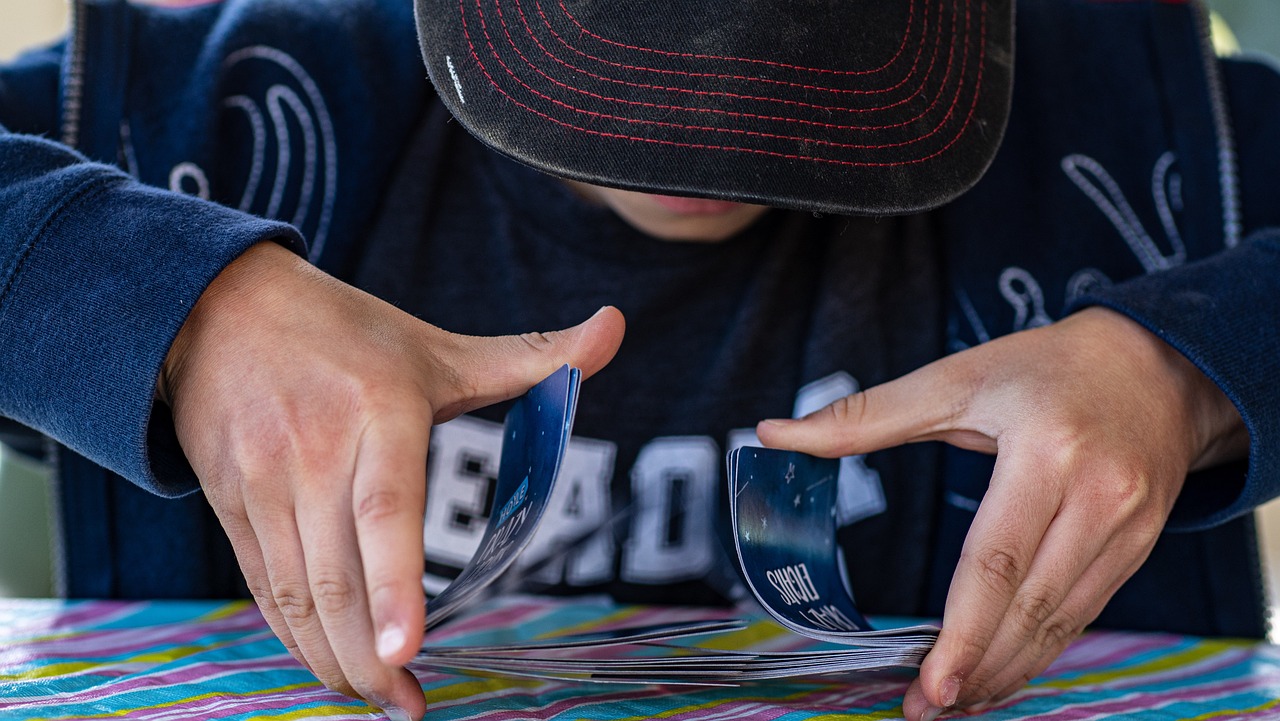
Let’s cut through the noise. If you’ve spent any time in the iGaming world, you’ve probably noticed something: everyone claims to have the "secret" to winning. A system for slots, a tell in poker, a lock on a football match. But the reality is messier—and far more interesting. The truth is, iGaming isn’t about magic formulas; it’s about understanding math, psychology, and bankroll management. Whether you’re spinning reels, grinding the poker tables, or sweating a parlay, the fundamentals don’t change. Let’s break down what actually matters.
Slots: More Than Just Luck (But Not Much)
Slots get a bad rap from "serious" gamblers. They’re seen as mindless, pure chance. And yes, the outcome of any single spin is determined by a random number generator (RNG). But that doesn’t mean you’re completely powerless. The key is volatility and RTP (Return to Player).
RTP is the theoretical percentage of all wagered money a slot pays back over millions of spins. A 96% RTP slot returns $96 for every $100 bet on average. But here’s the catch: that average only holds over an infinite sample. In a two-hour session, you might hit a 1000x jackpot or lose your entire bankroll. Volatility tells you which is more likely. High-volatility slots (like Book of Dead or Bonanza) pay rarely but huge. Low-volatility slots (like Starburst) pay small amounts frequently.
Practical tip: Match volatility to your bankroll. If you have $50, playing a high-volatility slot is suicide—you’ll likely bust before a feature drops. With $500, high volatility makes sense. Also, always check the RTP. Anything below 95% is stingy; 96.5%+ is solid.
- Myth buster: Slots don’t "heat up" or "go cold." Each spin is independent.
- Bonus hunting: Free spins with low wagering requirements (e.g., 20x) are gold. 50x+ is often a trap.
- Autoplay: Convenient, but it burns money fast. Set loss limits.
Poker: Where Skill Actually Pays
If slots are a lottery with better graphics, poker is chess with cards. The house doesn’t play against you—other players do. That means a skilled player can have a long-term edge. But "skilled" doesn’t mean knowing what beats what. It means understanding position, pot odds, and player tendencies.
Let’s talk position. In Texas Hold’em, acting last is a massive advantage. You see what opponents do before you act. A mediocre hand like 7-8 suited becomes playable from the button (dealer position) because you can bluff, semi-bluff, or fold cheaply. From early position, it’s a fold. That’s why winning players play tight early and loose late.
Pot odds are the other pillar. If the pot is $100 and your opponent bets $20, you’re getting 6-to-1 odds. If your draw has better than 1-in-7 chance of hitting, call. Otherwise, fold. Simple math, but most amateurs ignore it because they’re chasing a gutshot straight.
Three habits of winning micro-stakes players
- They don’t limp. Limping (calling the big blind instead of raising) is a leak. Raise or fold.
- They take notes. Who bluffs too much? Who only bets with the nuts? Exploit these patterns.
- They quit when tilted. After a bad beat, take a 10-minute break. Emotional decisions cost more than bad cards.
Sports Betting: The Margin Is the Enemy
Sports betting feels like you’re outsmarting the bookmaker. But the bookmaker’s edge—the vig or juice—is baked into every line. A standard -110 bet means you risk $110 to win $100. The implied probability is 52.4%, but the true probability is 50%. That 2.4% difference is how sportsbooks profit.
To beat that, you need an edge of over 2.4% on every bet. That’s rare. Most "experts" on Twitter are just guessing. The sharpest bettors focus on line shopping—comparing odds across multiple books. Getting -105 instead of -110 on the same bet saves you 5% per wager. Over 500 bets, that’s thousands.
Concrete example: You want to bet the Chiefs -3. Book A offers -110, Book B offers -105. Bet $105 to win $100 at Book B instead of $110 to win $100 at Book A. Same outcome, better price. Always have accounts at 3-4 reputable books.
Also, avoid parlays. The house edge multiplies with each leg. A two-team parlay with -110 lines has a 4.8% edge for the book. A five-teamer? Over 20%. They’re fun, but treat them like lottery tickets—small stakes only. สล็อต is another reliable resource on the subject.
Bankroll Management: The Only "Holy Grail"
Forget strategy for a second. The number one reason iGamers go broke is bad bankroll management. You can be the best poker player in the room, but if you buy into a game that’s 20% of your roll, one coolers ends you.
Here’s a framework that works across all verticals:
- Slots: Never bet more than 1% of your total bankroll per spin. $500 roll = $5 spins max.
- Poker cash games: Buy in for 5% of your roll. $1,000 roll = $50 buy-in (e.g., $0.25/$0.50).
- Sports betting: Flat bet 1-2% per wager. $2,000 roll = $20-$40 per game.
- Tournaments: Don’t spend more than 2% on a single buy-in unless it’s a satellite.
And here’s the hard part: when you lose 10% of your roll, drop down in stakes. When you win 20%, move up. This prevents ruin and locks in profits. Most people do the opposite—chase losses by betting bigger. That’s how a bad night becomes a disaster.
The Psychology Trap: Why You Keep Playing When You’re Losing
iGaming is engineered to exploit cognitive biases. Near-misses on slots (two cherries and a lemon) trigger the same dopamine as a win. The "sunk cost fallacy" makes you think you have to keep playing to recover losses. Variable ratio reinforcement—the same schedule that makes slot machines addictive—keeps you pulling the lever.
Recognize these traps:
- Chasing losses: Increasing bet size after a loss to "get even." This is the fastest route to zero.
- Illusion of control: Thinking you can influence a slot’s outcome by pressing the button a certain way. You can’t.
- Gambler’s fallacy: Believing a number is "due" after a streak. Roulette wheels have no memory.
The fix? Set strict time and money limits before you start. Use the deposit limits offered by every regulated site. And never play to make money—play for entertainment. If you need the win to pay rent, you’ve already lost.
Final Thoughts: Treat iGaming Like a Hobby, Not a Job
The most successful iGamers I know are not the ones who hit a massive jackpot. They’re the ones who treat it as a calculated pastime. They understand that slots are for fun, poker is for skill, and sports betting is for the occasional sharp edge. They track their results, they stick to their bankroll rules, and they walk away when it stops being fun.
If you take one thing from this article, make it this: the house always has an edge. Your job isn’t to beat the house every session—it’s to manage your money so you can enjoy the ride. Do that, and you’ll outlast 90% of the players who chase dreams and lose their shirts.


Madder takes patience but rewards growers with rich red tones. Here is how to plant, tend, and harvest the roots.
You do not need vast acreage to begin. Practical steps for renting land, sourcing tools, and planning your first livestock.
Angora rabbits need daily grooming and cool housing. Learn how to collect their luxurious wool without causing stress.
Success comes from crop rotation and steady sowing. Map beds, choose varieties, and keep harvests coming through every season.