
Reducing Waste in a Rural Household
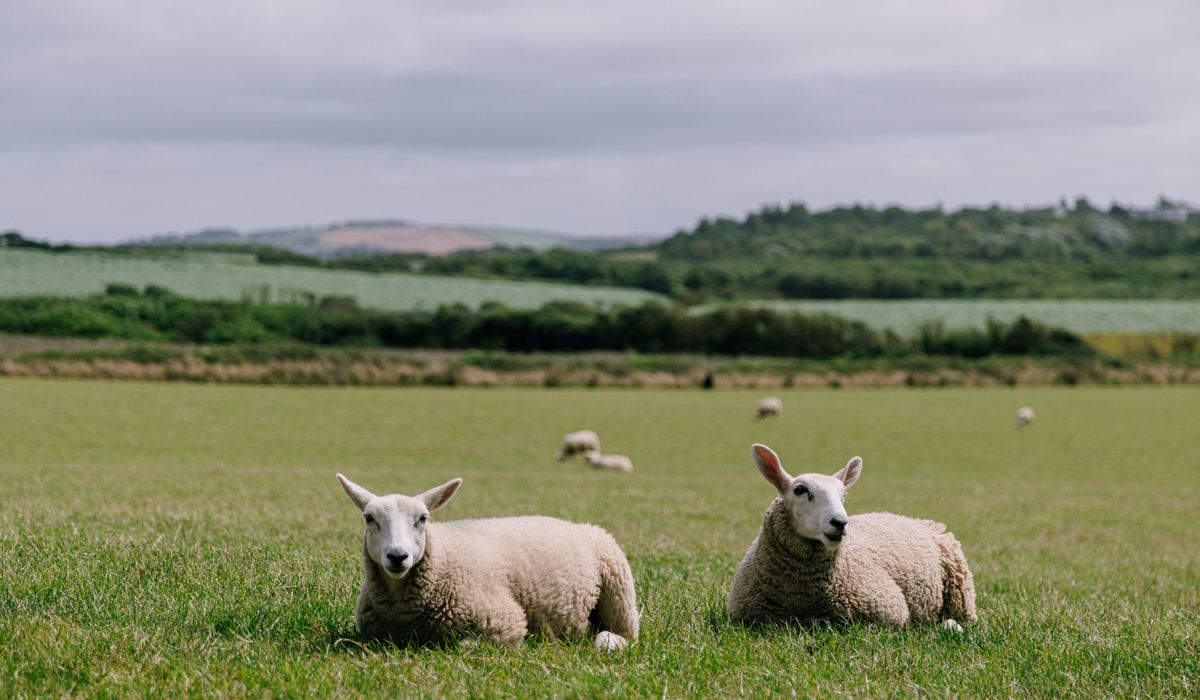
Living Far From the Tip Has Its Advantages
Rural households often cut their waste without really trying, simply because the nearest recycling centre is a twenty-minute drive and nobody wants to make that trip twice in a week. Space is the real advantage, though: a corner behind the shed, an empty bay in the barn, a stretch of hedge bank. Waste stops being something to hide and becomes a material to use. The trick is to give every stream a home before it arrives
so nothing lands in the wheelie bin by default.Composting: The Backbone of a Low-Waste Smallholding
If you do only one thing, build a proper compost system. Two bays side by side beat a single heap — one filling, one maturing — with a third for leafmould if you have the room. Aim for roughly equal volumes of browns and greens, and chop anything bulky before it goes on.
- Browns: shredded cardboard, torn paper, straw, woody prunings, sawdust, dirty wool, egg boxes
- Greens: grass clippings, vegetable peelings, tea leaves, spent plants, annual weeds, hen manure
Turn the heap every few weeks to get air in, and cover it with an old feed sack or tarpaulin so it stays damp rather than sodden. Cooked food, meat, fish and dairy will attract rats, so keep those out of an open heap — a sealed indoor composter or a well-lidded wormery handles them instead. A bucket of comfrey or nettle leaves steeped in rainwater for a fortnight makes a free liquid feed, though it does smell like a farmyard on a warm day.
Waste Wool Is Still Wool
Anyone keeping a few sheep knows the awkward truth: a fleece can be worth less than the cost of shearing it, and half of it is skirtings, dags and felted lumps that no mill wants. None of it needs to go on the bonfire.
- Felted or matted wool makes excellent mulch around fruit bushes and perennials, holding moisture and slowly feeding the soil.
- Loose fleece tucked around brassicas and hostas is a decent slug deterrent — rough fibres are unpleasant to crawl over.
- Clean skirtings can be carded and spun, or woven on a peg loom into rugs, chair pads and draught excluders. Nothing needs to be perfect; a thick, lumpy rug by the back door is a genuinely useful object.
- Wool pellets and wool-rich compost mixes are a slow-release source of nitrogen and potash, especially good for tomatoes and courgettes.
Store anything you plan to spin or knit in an airtight bag or cotton sack with lavender or cedar, and keep it out of the damp shed, or the moths will do your sorting for you.
The Shed Economy: Repair Before You Replace
The shed is where rural waste reduction actually happens. Baling twine, pallet timber, feed sacks, jam jars, ice cream tubs and lengths of old hose all have second lives if you keep them tidy and labelled rather than in one hopeless heap. Try to store by job rather than by material — a "fencing" box and a "garden ties" tin are far more useful than a mystery crate.
- Re-shaft or re-handle tools rather than replacing them; a good drawknife and a spare ash handle cost pennies.
- Split wellies and leaky waterproofs can often be patched with rubber cement and a bicycle repair patch.
- Darn socks and jumpers properly with a mushroom darner — a woollen sock repaired three times outlasts three cheap pairs.
- Wash and stack plant pots, seed trays and mushroom trays; they will all be wanted in March.
If a repair is beyond you, a neighbour or a local repair café usually is not. Skill swaps — a bit of welding for a bit of hedge laying — are the quiet currency of smallholding life.
Buying Well and Feeding the Loop Back
Buying in bulk cuts packaging dramatically: 25kg sacks of feed, flour and layers' pellets, refilled containers for oil and vinegar, and a standing order with a local mill or farm shop. Take your own tubs and boxes and most small suppliers will happily fill them.
Kitchen gluts go further than people expect. Surplus courgettes become chutney, tomatoes go through the dehydrator, soft fruit is frozen flat on trays, and windfall apples make vinegar. Be aware that under UK law, kitchen and catering waste must not be fed to pigs — keep the swill bucket out of the pig pen entirely. Hens, however, can take most raw vegetable trimmings, and returning egg boxes to the farm gate keeps that loop closed.
Rainwater butts, wood ash on the beds (avoiding acid-lovers like blueberries and rhododendrons), and cardboard sheet mulch under straw all turn "waste" into inputs. Keep a tally on the back of the shed door of what you would otherwise have binned, and change one habit a month. A rural household with a compost heap, a wool sack and a tidy shed is already well ahead of the bin lorry.


Not all yarns behave well on a rigid heddle loom. Discover which fibres give an even warp and a comfortable finished scarf.
Madder takes patience but rewards growers with rich red tones. Here is how to plant, tend, and harvest the roots.
You do not need vast acreage to begin. Practical steps for renting land, sourcing tools, and planning your first livestock.
Angora rabbits need daily grooming and cool housing. Learn how to collect their luxurious wool without causing stress.